



















Donating your body to science — What happens to your body after death?
Even in the face of death, donating one’s body for scientific research remains a significant and impactful decision. In the United States, over 20,000 people donate their entire bodies for scientific research each year. From surgical training to crash tests, these donations contribute to vital advancements across multiple fields. However, the process involves strict rules, ethical considerations, and careful management by medical institutions.

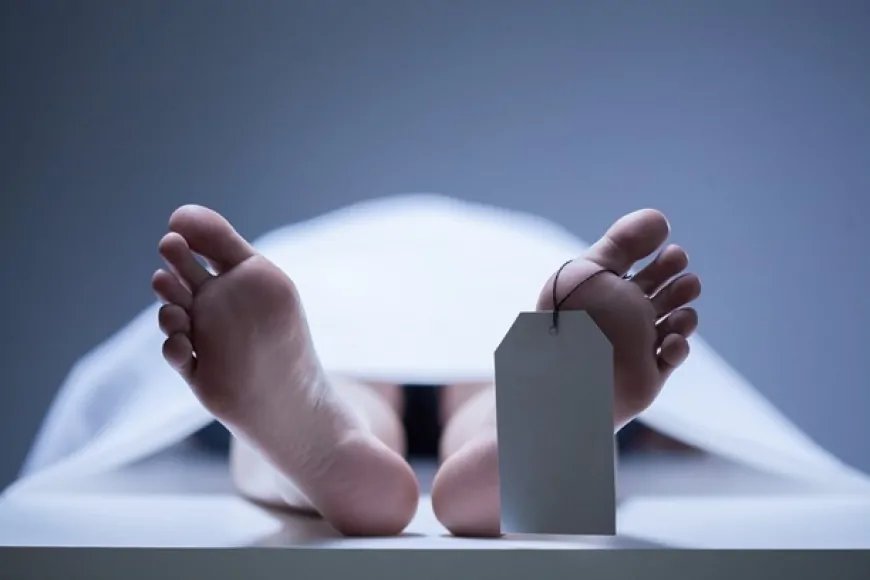

Many people choose to donate their organs and tissues for research after death. According to the U.S. Health Resources and Services Administration, eight vital organs can be donated: heart, kidneys (both), pancreas, lungs (both), liver, intestines, hands (both), and face. In addition to these, tissues such as heart valves, corneas, blood, and stem cells can also be donated.
More than 20,000 full body donations annually
In the United States, more than 20,000 people donate their entire bodies to scientific research every year. But what exactly happens to these bodies once they are donated?
The Body Donation Process
There are specific criteria that must be met for a donated body to be accepted. Pamela White, from Newcastle University’s Body Donation Program, explains that unlike organ donation, the age of the donor is not a key factor. However, the cause of death and the donor’s health condition can influence acceptance. "Factors such as infectious diseases, respiratory conditions, or other health issues are critical," White says.
Donors must also meet weight and health requirements — typically, donors around 80-90 kg are accepted. Once approved, the body is collected by funeral directors, and the embalming process begins. At Newcastle University, bodies are stored in cold rooms for six to eight weeks before being used in medical training.
Uses of Donated Bodies
The research applications for donated bodies are wide-ranging. They are often used in anatomy education, surgical training, or new medical technique development. In some cases, donated bodies are even used in automotive crash tests to improve vehicle safety standards. Medical students gain valuable hands-on experience by studying these bodies in detail.
Isobel Duckling from Newcastle University highlights that donors can choose how long their bodies may be used. Some donors permit indefinite use, while others request that their remains be returned to their families after a certain period. Throughout the process, donated bodies are handled with strict ethical oversight and constant supervision.
Choosing the Right Donation Service
In the U.S., most body donation programs are not linked to nonprofit organizations. Furthermore, not all programs offer donors control over how long their bodies will be retained. Minimal legal oversight makes it essential for donors to carefully choose reputable programs. Experts note that some individuals opt for body donation to alleviate funeral expenses. White emphasizes that donating one’s body to science is an extraordinary act of generosity, contributing to future generations’ medical and scientific advancements.
What's Your Reaction?
 Like
0
Like
0
 Dislike
0
Dislike
0
 Love
0
Love
0
 Funny
0
Funny
0
 Angry
0
Angry
0
 Sad
0
Sad
0
 Wow
0
Wow
0